
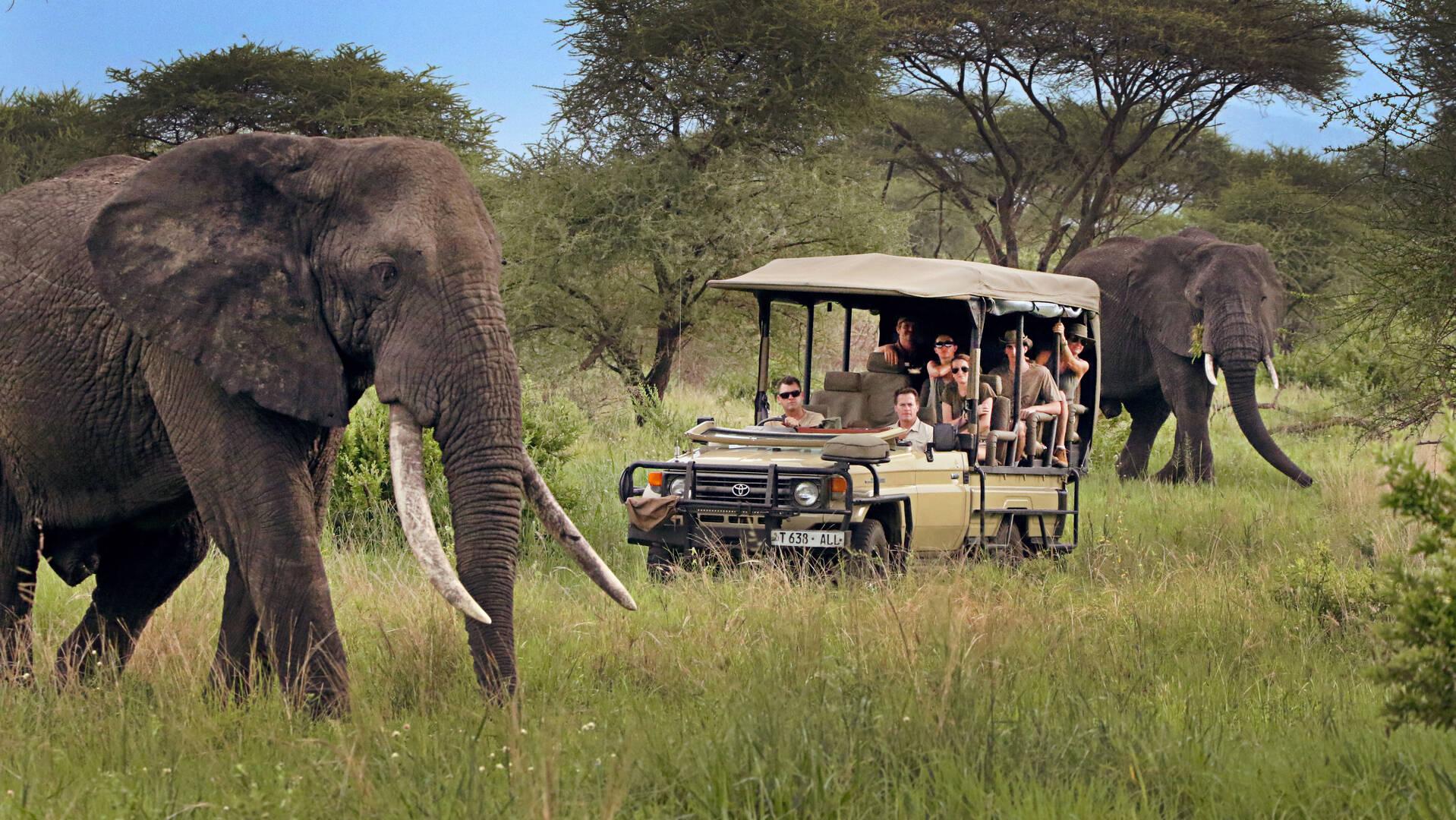
Safety is one of the first things travellers consider when choosing a holiday destination. If you are planning a safari, road trip, or cultural adventure in East Africa, you may be wondering: Is Uganda safe for tourists?
Uganda is a welcoming destination with a growing tourism industry and a wide range of experiences for international visitors. From mountain gorilla trekking in Bwindi to wildlife safaris in Queen Elizabeth and Murchison Falls National Parks, the country offers remarkable opportunities to explore nature, wildlife and culture.
As with travelling anywhere in the world, enjoying Uganda safely requires preparation, awareness and respect for local advice. Travellers should understand the conditions of the places they plan to visit, choose reliable accommodation and transport, and take sensible precautions throughout their journey.
For visitors planning a road trip, choosing the right vehicle is also an important part of a safe and comfortable experience. Uganda 4×4 rentals provide travellers with practical options for exploring both major highways and remote safari destinations, while luxury vehicles can provide additional comfort for travellers looking for a more premium experience.
Here is what you should know before travelling to Uganda.
Uganda as a Tourist Destination
Known as the Pearl of Africa, Uganda is home to diverse landscapes, abundant wildlife, forests, lakes and mountains. Tourism routes extend from Kampala and Entebbe to national parks and remote areas across the country.
Visitors come to Uganda for:
- Mountain gorilla trekking
- Chimpanzee tracking
- Wildlife safaris
- Birdwatching
- Boat cruises
- Cultural experiences
- Mountain hiking
- Nature walks
- Scenic road trips
- Self-drive adventures
One of the advantages of travelling through Uganda is the variety of experiences that can be combined into one journey. A traveller can spend a few days exploring Kampala and Entebbe, continue to a national park for a safari, visit a local community and then head towards the forests of southwestern Uganda.
Because many attractions are spread across different parts of the country, road travel plays an important role in the Ugandan tourism experience.
Personal Safety While Travelling in Uganda
Most visitors can enjoy their trip by taking the same sensible precautions they would use when travelling elsewhere.
Keep important belongings secure and remain aware of your surroundings, particularly in busy public areas, markets, transport hubs and nightlife areas.
Some useful precautions include:
- Keep your passport and travel documents secure.
- Avoid displaying expensive jewellery or large amounts of cash.
- Use hotel safes where available.
- Keep your phone and other valuables secure.
- Avoid walking alone in unfamiliar areas late at night.
- Keep important emergency contacts accessible.
- Share your itinerary with someone you trust.
- Use reputable accommodation and transport providers.
These simple measures can make your journey more comfortable and help you concentrate on enjoying your holiday.
Is Kampala Safe for Tourists?
Kampala is Uganda’s capital and one of the main entry points for international travellers. The city has hotels, restaurants, shopping centres, cultural attractions, business districts and entertainment venues.
Like other major cities, Kampala requires visitors to remain aware of their surroundings.
Travellers should take particular care with personal belongings in crowded areas and use trusted transportation, especially when travelling at night.
Visitors staying in Kampala can also arrange their transport in advance rather than relying on unfamiliar transport options.
Once outside the capital, many travellers continue their journey by road towards Uganda’s national parks and other destinations.
Road Safety in Uganda
For tourists planning to explore different parts of the country, road safety is an important consideration.
Uganda’s attractions are spread across a large geographical area, and travelling by road allows visitors to experience rural communities, changing landscapes and destinations that may not be easily accessible by other forms of transport.
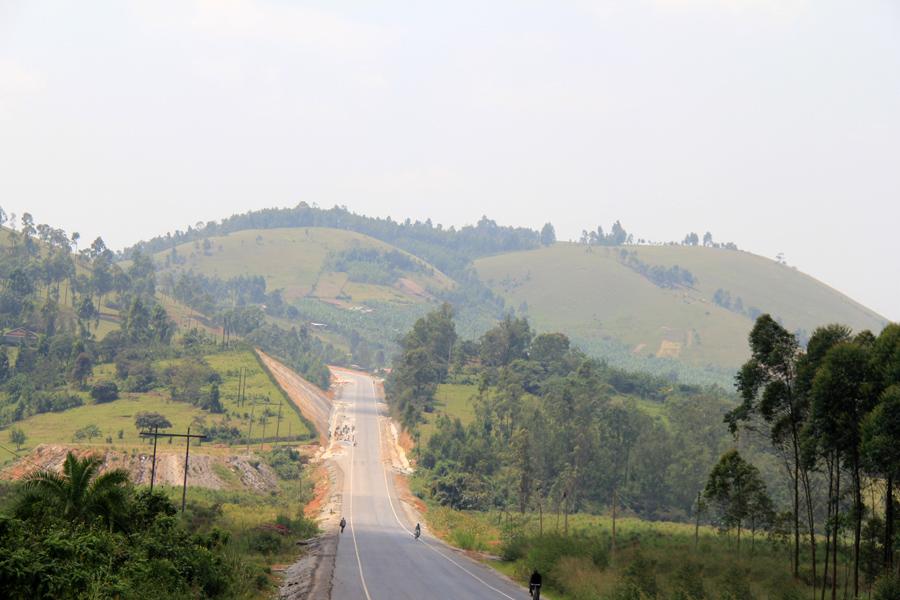
If you are planning a self drive holiday, prepare your route before setting off and allow enough time for the journey.
Important considerations include:
- Drive on the left-hand side of the road.
- Carry a valid driving licence.
- Observe posted speed limits.
- Avoid unnecessary night driving in unfamiliar areas.
- Watch carefully for pedestrians, cyclists and motorcycles.
- Be alert for livestock and other animals on rural roads.
- Check fuel levels before travelling long distances.
- Carry sufficient drinking water for longer journeys.
- Allow additional travel time when visiting remote areas.
- Keep emergency contacts readily available.
Road conditions can vary between major highways, urban roads, rural routes and roads within or leading to national parks. This is one reason many visitors choose a suitable 4×4 for longer journeys.
Why a 4×4 Is Useful for Exploring Uganda
A suitable vehicle can make a significant difference when travelling beyond Uganda’s main cities.
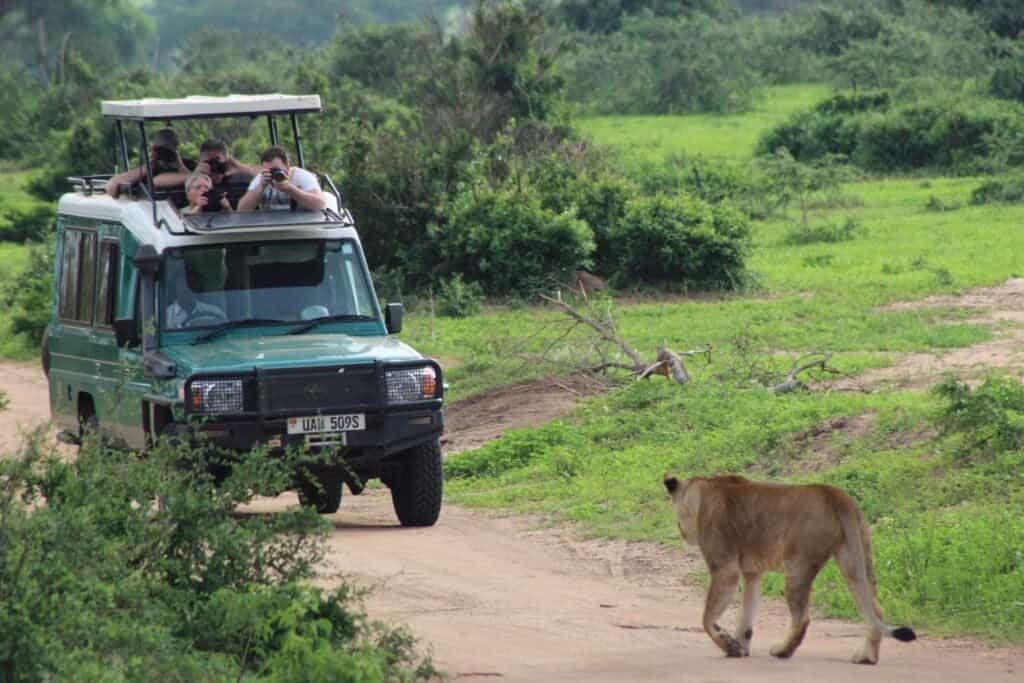
A 4×4 rental is particularly useful for travellers visiting national parks, remote lodges and destinations where road conditions may vary.
Depending on the route and season, travellers may encounter gravel roads, dirt tracks, uneven surfaces, muddy sections and rough terrain. A properly maintained 4×4 gives travellers greater confidence when navigating these conditions.
At Uganda 4×4 Rentals, travellers can choose vehicles according to their route, group size and preferred travel style.
Options can include practical safari vehicles for independent travellers, spacious vehicles for families and groups, and luxury vehicles for visitors who want additional comfort during longer journeys.
The right vehicle should depend on factors such as:
- Number of passengers
- Amount of luggage
- Travel distance
- Destinations being visited
- Road conditions
- Whether you will camp
- Whether you prefer self drive or a driver
Self Drive in Uganda
Uganda is an attractive destination for travellers who want to experience the freedom of travelling at their own pace.
With self drive, you can decide when to leave, where to stop and how long to spend at different destinations. This can be particularly enjoyable for travellers who want a flexible safari itinerary rather than following a fixed schedule.
However, self drive requires preparation.
Before beginning your journey, familiarise yourself with your route, understand local driving conditions and make sure you have adequate fuel and supplies.
It is also important to choose a reliable rental vehicle that has been properly maintained and is appropriate for your planned route.
For travellers unfamiliar with Ugandan roads, a chauffeur-driven option can provide an alternative. An experienced local driver can handle navigation and road conditions while passengers concentrate on enjoying the scenery and wildlife.
Wildlife Safety in Uganda
Uganda’s wildlife is one of the country’s biggest attractions. Visitors can encounter elephants, lions, buffaloes, hippos, giraffes, chimpanzees, gorillas and many other species.
Wildlife should always be observed responsibly.
During game drives:
- Remain inside the vehicle unless your guide or ranger instructs you otherwise.
- Do not feed wild animals.
- Maintain an appropriate distance from wildlife.
- Avoid making unnecessary noise.
- Do not attempt to attract animals for photographs.
- Follow instructions from park rangers and guides.
Animals are wild and should never be approached simply because they appear calm.
A properly equipped safari vehicle also provides an appropriate platform for viewing wildlife while keeping visitors at a safe distance.
Is Gorilla Trekking Safe?
Gorilla trekking is one of Uganda’s most famous tourism experiences and is conducted under established wildlife management procedures.
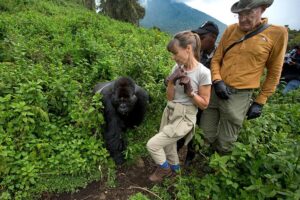
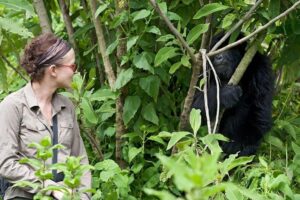
Before entering the forest, visitors receive guidance on how to behave around gorillas. Groups are accompanied by trained guides and rangers who provide instructions throughout the trek.
Visitors should:
- Follow ranger instructions.
- Maintain the required distance from gorillas.
- Avoid sudden movements.
- Keep noise to a minimum.
- Never attempt to touch the gorillas.
- Avoid eating or drinking near the gorillas unless instructed otherwise.
Gorilla trekking takes place in a natural forest environment, so visitors should also prepare for changing weather, uneven terrain and potentially long walks.
Good walking shoes, appropriate clothing, drinking water and basic personal supplies are important.
Health and Medical Preparation
Good preparation before travelling can contribute significantly to a comfortable trip.
Travellers should speak with a qualified healthcare professional before travelling to Uganda about appropriate health precautions for their individual circumstances.
Consider carrying:
- Prescription medication
- Insect repellent
- Sunscreen
- Hand sanitiser
- Basic first-aid supplies
- Personal hygiene products
- Reusable drinking water bottles
Travel insurance is also worth considering, particularly for longer trips involving adventure activities, remote destinations or multiple regions.
Drinking Water and Food Safety
Visitors should take care with drinking water and food, particularly when travelling outside major hotels and established restaurants.
Bottled or properly treated water is generally the safer choice for visitors who are uncertain about the local water supply.
Travellers can reduce the risk of stomach problems by:
- Drinking bottled or purified water.
- Choosing reputable restaurants.
- Eating freshly prepared food.
- Washing fruit before eating it.
- Practising good hand hygiene.
- Carrying water during long road journeys.
Uganda has a rich food culture, and travellers should not miss the opportunity to experience local dishes from reputable establishments.
Travelling Alone in Uganda
Uganda can be explored by solo travellers, although travelling independently requires good planning.
Solo travellers should choose reputable accommodation, keep friends or family informed about their itinerary and use reliable transport providers.
If you are planning a self-drive journey alone, share your planned route with someone and ensure that your rental company provides appropriate emergency and roadside support.
For remote safari destinations, some travellers may prefer to have a local driver or guide, particularly when they are unfamiliar with the area.
Family Travel in Uganda
Uganda can also be an exciting destination for families.
Children can enjoy wildlife viewing, boat trips, nature walks, cultural experiences and educational visits.
Parents should take particular care around wildlife, water and uneven terrain. It is also important to choose accommodation and activities that are suitable for the ages of the children travelling.
A spacious rental vehicle can make long road journeys more comfortable for families, particularly when travelling with luggage, camping equipment or children.
Money and Personal Belongings
Cash remains useful in Uganda, particularly when travelling outside major towns and cities.
Travellers should avoid carrying unnecessary amounts of cash and should keep their money and cards secure.
Useful precautions include:
- Use ATMs in secure locations.
- Keep emergency money separate from your main wallet.
- Notify your bank before international travel where necessary.
- Keep copies of important documents.
- Avoid displaying large amounts of cash in public.
It is also advisable to keep your passport secure and carry a copy when appropriate.
Respecting Local Customs
Respect for local communities is an important part of responsible travel.
Uganda is home to different communities, languages, traditions and cultural practices. Travellers should be respectful when visiting rural communities, religious sites and cultural attractions.
Simple practices include:
- Dress appropriately, particularly in conservative or rural communities.
- Ask permission before photographing people.
- Respect religious and cultural sites.
- Follow instructions at community tourism sites.
- Learn a few local greetings.
- Support locally owned businesses where possible.
A respectful approach often makes cultural interactions more meaningful.
Choosing a Reliable Car Rental Company
Your choice of transport provider can have a major impact on a road trip.
When comparing Uganda 4×4 rentals, do not look only at the daily price. Consider the overall rental package and the condition of the vehicle.
Look for a company that provides:
- Well-maintained 4×4 vehicles
- Clear rental terms
- Reliable customer communication
- Roadside assistance
- Appropriate insurance arrangements
- Experienced drivers where required
- Vehicle orientation before departure
- Transparent pricing
- Emergency support
If you are choosing a luxury vehicle, check the vehicle’s specifications, seating capacity, luggage space and available features before confirming your booking.
For self-drive travellers, the rental company should also explain the vehicle’s controls, recovery equipment where applicable, tyre condition and procedures to follow in case of a mechanical or roadside problem.
Luxury Vehicles for Comfortable Safari Travel
Travelling through Uganda does not have to mean sacrificing comfort.
Travellers looking for a premium experience can choose luxury vehicles designed for longer journeys and safari travel.
Depending on the vehicle, luxury 4×4 options may offer features such as:
- Comfortable leather seating
- Air conditioning
- Spacious interiors
- Pop-up safari roofs
- Refrigeration or cool boxes
- USB charging
- Additional luggage capacity
- Enhanced suspension
- Four-wheel drive capability
Luxury vehicles can be particularly suitable for couples, families, private groups and travellers who want a more comfortable safari experience.
What to Do in Case of an Emergency
Even when a trip is carefully planned, unexpected situations can happen.
Before starting your journey, save important contact information, including:
- Your country’s embassy or consulate
- Your travel insurance provider
- Your accommodation
- Your car rental company
- Local emergency services
- Your travel companion or emergency contact
If you are travelling by rental vehicle, understand the company’s roadside assistance procedure before leaving the rental location.
Knowing who to contact can make it easier to respond calmly if you experience a vehicle problem, medical issue or other unexpected situation.
Frequently Asked Questions
Is Uganda safe for first-time visitors?
Uganda receives visitors from around the world. First-time travellers can make their trip more comfortable by planning their itinerary carefully, choosing reputable accommodation and transport providers, and following normal travel precautions.
Can tourists drive themselves around Uganda?
Yes, visitors can arrange self drive holidays in Uganda. Travellers should have the required driving documentation, understand local road conditions and choose a vehicle appropriate for their itinerary.
Do I need a 4×4 to travel around Uganda?
Not necessarily for every route. However, a 4×4 can be particularly useful for safari destinations, rural areas and routes where road conditions may be challenging. Your vehicle choice should depend on your itinerary and the roads you intend to use.
Is Uganda safe for safari holidays?
Safaris are a major part of Uganda’s tourism industry. Visitors should always follow park regulations, remain in designated areas and follow instructions from guides and rangers when viewing wildlife.
Is Uganda suitable for solo travellers?
Yes, Uganda attracts independent and solo travellers. Those travelling alone should plan their routes carefully, choose reputable accommodation and transport providers, and keep someone informed of their itinerary.
Can I hire a luxury 4×4 in Uganda?
Yes. Travellers looking for additional comfort can explore luxury vehicles suitable for safari and long-distance travel. Vehicle availability, specifications and features vary, so it is advisable to confirm the vehicle details before booking.
Are Ugandans friendly to tourists?
Uganda is widely known for its hospitality. Visitors frequently interact with local communities during safaris, cultural experiences, road trips and stays in different parts of the country. Respect for local customs helps create positive interactions.
So, is Uganda safe for tourists?
A successful trip depends on preparation, awareness and responsible travel. Whether you are visiting for gorilla trekking, a wildlife safari, a cultural experience or a long road trip, taking sensible precautions can help you enjoy what Uganda has to offer.
For travellers planning to explore the country independently, choosing a suitable vehicle is an important part of the preparation. From practical Uganda 4×4 rentals for safari routes to comfortable luxury vehicles for premium travel, the right vehicle can make long-distance travel more convenient and enjoyable.
For those who value freedom and flexibility, self drive offers an opportunity to experience Uganda at your own pace while discovering destinations beyond the usual tourist routes.
With thoughtful planning, reliable transport and respect for local guidelines, Uganda offers travellers an opportunity to experience wildlife, landscapes, culture and adventure across one of East Africa’s most diverse destinations.
Leave a Reply