Uganda is one of East Africa‘s most rewarding travel destinations, offering lush tropical forests, rolling hills, expansive savannahs, freshwater lakes, and spectacular mountain landscapes. Known as the Pearl of Africa, the country attracts travellers interested in gorilla trekking, wildlife safaris, birdwatching, cultural experiences, and independent road trips.
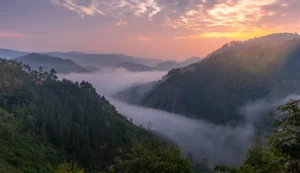
Rain forest in Bwindi Impenetrable
One of Uganda’s greatest advantages is its relatively moderate climate throughout the year. Although the country lies along the Equator, its elevation helps keep temperatures comfortable in many regions. However, weather conditions vary depending on altitude, geography, and the time of year.
Understanding Uganda’s weather throughout the year can help you choose the best time to visit, prepare for different outdoor activities, and plan your journeys between towns, national parks, and remote destinations.
Whether you are organising a guided safari or looking for reliable self drive options to explore the country independently, this guide explains Uganda’s seasons, regional climate differences, national park conditions, and practical travel considerations.
Understanding Uganda’s Climate
Uganda has a tropical climate influenced by its position near the Equator, elevation, rainfall patterns, and geographical diversity. Temperatures remain relatively stable throughout the year, although rainfall and humidity vary between regions.
Much of the country lies at elevations of approximately 900 to 1,500 metres above sea level. Higher areas, including the Rwenzori Mountains and Mount Elgon, experience considerably cooler conditions.
Typical daytime temperatures vary by location:
- Central Uganda: Approximately 24°C to 28°C.
- Western Uganda: Generally around 18°C to 27°C, depending on altitude.
- Northern Uganda: Often warmer, with temperatures exceeding 30°C during hotter periods.
- Mountainous regions: Cooler temperatures, particularly at higher elevations and during early mornings.
These figures are general guides rather than fixed monthly averages. Actual conditions can differ between destinations and from one year to another.
Travellers should prepare for warm afternoons, cooler evenings, occasional rainfall, and changing conditions when moving between lowlands and mountain regions.
Uganda’s Dry Seasons: December to February and June to August
Uganda generally experiences two main drier periods: December to February and June to August. These months are popular with visitors planning wildlife safaris, gorilla trekking, hiking, and long-distance road trips.
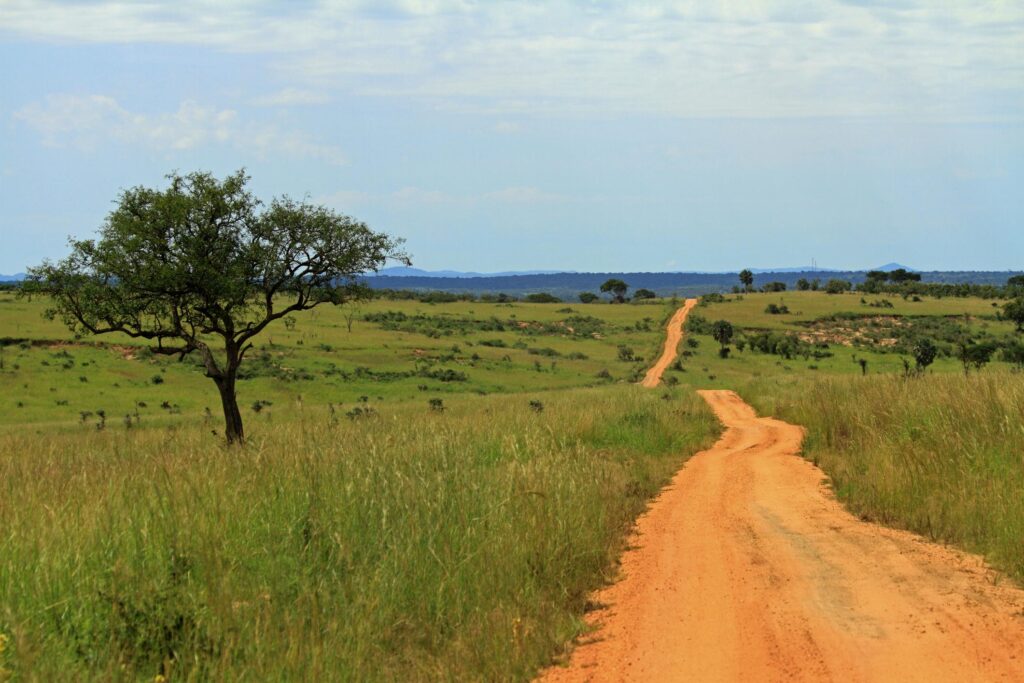
However, rainfall patterns are not identical across the country, and rain can occur even during the drier months.
December to February: A Popular Time for Safaris
December, January, and February are generally favourable months for exploring many of Uganda’s major tourism destinations.
During this period, travellers may experience more sunshine, relatively lower rainfall in many areas, and improved conditions on some unpaved roads.
This season is suitable for:
- Wildlife game drives in Queen Elizabeth National Park and Murchison Falls National Park.
- Gorilla trekking in Bwindi Impenetrable National Park.
- Chimpanzee tracking in Kibale Forest National Park.
- Scenic drives through western Uganda.
- Photography, cultural tours, and outdoor adventures.
Drier conditions can make wildlife easier to observe in some locations, particularly where animals gather around available water sources.
For visitors planning a self-drive safari, a well-maintained 4×4 can provide the comfort and capability needed to travel between destinations and navigate rougher park tracks.
June to August: Excellent Conditions for Outdoor Adventures
June, July, and August form the second main dry season in much of Uganda. These months are particularly popular among international visitors who want to combine wildlife viewing, gorilla trekking, and multi-day road trips.
Potential advantages include:
- More favourable hiking conditions in many areas.
- Less muddy forest trails when rainfall is limited.
- Good opportunities for wildlife photography.
- Comfortable conditions for exploring savannah parks.
- Better access to some remote destinations compared with wetter periods.
Because these months are popular, gorilla permits, accommodation, and suitable rental vehicles should be arranged early, especially for travel during peak holiday periods.
Travellers should also remember that forest environments can remain wet, even when the wider region is experiencing a dry spell.
Uganda’s Rainy Seasons: March to May and September to November
Uganda’s rainy seasons support its rich biodiversity, keeping forests green, replenishing water sources, and maintaining the habitats that sustain wildlife.
Rain does not necessarily prevent enjoyable travel. With suitable clothing, realistic journey times, and appropriate transportation, visitors can explore Uganda during wetter months and experience quieter destinations and beautiful landscapes.
March to May: The Longer Rainy Season
March, April, and May generally form one of Uganda’s principal rainy periods, although the intensity and timing of rainfall vary by region.
During these months, visitors may experience afternoon showers, wet trails, lush vegetation, and occasional delays on rural roads.
The season can be rewarding for:
- Birdwatching in forests and wetlands.
- Landscape photography.
- Exploring Uganda’s green countryside.
- Cultural tours and community visits.
- Travellers seeking a less crowded experience in selected destinations.
Accommodation prices and availability vary by destination and provider, so lower prices should not be assumed everywhere.
If your itinerary includes Bwindi, Kibale, or remote countryside locations, pack waterproof clothing and allow extra time for road journeys.
A capable safari vehicle in Uganda is particularly useful when your route includes rough tracks, steep approaches, or unpaved roads that become slippery after heavy rainfall.
September to November: The Second Rainy Season
September, October, and November generally bring another period of increased rainfall to many parts of Uganda.
Conditions vary, and some destinations may remain relatively accessible while others experience heavier showers and muddy tracks.
This season is suitable for:
- Birdwatching and nature photography.
- Forest excursions and cultural experiences.
- Scenic drives through the countryside.
- Wildlife safaris with flexible itineraries.
- Exploring Uganda’s lakes, hills, and rural communities.
For travellers choosing Uganda 4×4 hire, it is worth discussing the intended route with the rental provider before departure. A journey through Kampala and major paved highways has different vehicle requirements from a trip into a remote national park or mountainous region.
A suitable vehicle, careful driving, and a flexible schedule can make a considerable difference during wetter weather.
Uganda Weather Month by Month
The following overview provides a general planning guide. Rainfall and temperatures can change between regions, so check destination-specific forecasts before travelling.
| Month | General conditions | Travel considerations |
|---|---|---|
| January | Generally dry in many areas | Good for safaris and road trips |
| February | Often warm and relatively dry | Suitable for wildlife viewing and outdoor activities |
| March | Rainfall generally increases | Carry rain protection and plan flexible journeys |
| April | Frequently wet in many regions | Allow extra time for rural and forest roads |
| May | Rain may continue, depending on location | Good for green landscapes and birdwatching |
| June | Often drier in many areas | Popular for safaris and gorilla trekking |
| July | Generally favourable safari conditions | Book popular activities and accommodation early |
| August | Often relatively dry | Suitable for road trips and outdoor adventures |
| September | Rainfall may increase | Check road conditions for remote destinations |
| October | Often part of the second rainy season | Carry waterproof clothing and allow extra travel time |
| November | Rain continues in many regions | Good for scenery and birdwatching |
| December | Often becomes drier, though rain remains possible | Popular for holidays and safari travel |
This is a broad seasonal guide, not a guarantee of the weather on a particular day. Uganda’s varied geography means that two destinations visited on the same day may experience different conditions.
Regional Weather Differences Across Uganda
Uganda’s weather changes considerably between regions. Understanding these differences helps travellers prepare for their itinerary and select suitable transportation.
Central Uganda: Kampala and Entebbe
Central Uganda generally experiences warm temperatures throughout the year. Kampala and Entebbe are important starting points for visitors arriving at Entebbe International Airport and planning onward journeys.
Travellers can expect warm days, occasional rainfall, and cooler evenings. Conditions may change quickly during the rainy seasons.
If you are planning to collect a rental vehicle after arrival, consider your arrival time, luggage requirements, and the distance to your first destination. An appropriately equipped SUV or 4×4 can be useful for travellers continuing to national parks or other parts of the country.
Western Uganda: Forests, Mountains and Wildlife Parks
Western Uganda contains some of the country’s most popular tourism destinations, including Bwindi Impenetrable National Park, Queen Elizabeth National Park, Kibale Forest National Park, and the Rwenzori Mountains.
Higher elevations create cooler conditions in many locations, while forest areas can receive rainfall throughout the year.
Visitors should pack warm layers, waterproof jackets, comfortable walking clothing, and suitable hiking footwear.
Road conditions vary from paved highways to gravel roads and rough park tracks. Travellers visiting several destinations in western Uganda may benefit from a reliable self drive vehicle suited to their route and the number of people travelling.
Northern Uganda: Warmer Weather and Open Savannahs
Northern Uganda is generally warmer than many highland areas in the west. The region includes Kidepo Valley National Park, known for its open landscapes, wildlife, and remote wilderness setting.
Daytime temperatures can become hot, so visitors should carry drinking water, sun protection, and lightweight clothing.
Because some destinations are far from major towns, plan fuel stops, overnight accommodation, and journey times carefully. A suitable 4×4 can be valuable for accessing remote areas and navigating challenging park roads.
Eastern Uganda: Jinja and Mount Elgon
Eastern Uganda offers a variety of landscapes, from the Nile River and adventure activities around Jinja to the cooler highlands of Mount Elgon.
Jinja generally experiences warm conditions, while higher elevations around Mount Elgon are cooler and may receive substantial rainfall.
Travellers visiting waterfalls, hiking areas, rural communities, and scenic viewpoints should check local weather conditions before setting out.
A road trip through eastern Uganda can combine riverside experiences, cultural attractions, and mountain scenery, making it a rewarding addition to a wider self-drive itinerary.
Weather Conditions in Uganda’s National Parks
Weather affects road conditions, hiking comfort, photography, and wildlife viewing differently in each national park.
Bwindi Impenetrable National Park
Bwindi is a mountainous rainforest destination where rain and mist can occur throughout the year.
Gorilla trekking involves walking through forest terrain that can be steep, slippery, and physically demanding.
Visitors should bring waterproof jackets, long trousers, sturdy hiking boots, and extra clothing. A change of clothes can be especially useful after a wet trek.
The approach roads and access routes vary in condition. Travellers should select a suitable vehicle and allow sufficient time to reach their lodge or trekking starting point.
Queen Elizabeth National Park
Queen Elizabeth National Park features open savannah, woodland, wetlands, and lakeshore habitats.
Wildlife viewing is possible throughout the year, although vegetation and water availability can influence where animals are found and how easily they can be observed.
Dryer periods can offer favourable game-drive conditions, while rainy periods create greener scenery and attractive photographic opportunities.
A safari vehicle with sufficient ground clearance and good mechanical condition is useful for exploring park tracks.
Murchison Falls National Park
Murchison Falls combines savannah landscapes, riverine habitats, woodland, and the Victoria Nile.
The region is often warmer than Uganda’s highland areas. Weather conditions influence the comfort of game drives, river excursions, and journeys between park entrances and accommodation.
Visitors should carry sun protection and sufficient water. If travelling independently, confirm the condition of your planned routes and the park’s current access requirements.
Kibale Forest National Park
Kibale is a tropical rainforest destination best known for chimpanzee tracking and forest biodiversity.
Rainfall can occur throughout the year, so waterproof clothing and suitable walking shoes are recommended.
Visitors should be prepared for humid conditions and forest trails that may become slippery after rain.
Lake Mburo National Park
Lake Mburo offers savannah scenery, lakes, woodland, and opportunities for wildlife viewing and selected outdoor activities.
Conditions are generally warm, although rainfall can affect tracks and outdoor plans.
The park’s location makes it a convenient stop on many road trips between Kampala and western Uganda. Travellers should still check route conditions, particularly when planning to visit less-developed tracks.
How Weather Affects Gorilla Trekking in Uganda
Gorilla trekking is one of Uganda’s most memorable experiences, but many visitors wonder whether they should avoid the rainy season.
The good news is that gorilla trekking takes place throughout the year, subject to permit availability and park management arrangements.
During relatively dry periods, trails may be easier to navigate, and walking conditions can be more comfortable.
During wetter periods, forests become greener, rainfall can create misty scenery, and some trails become muddy or slippery. Gorilla sightings remain possible, but the hike can be more challenging.
To prepare for gorilla trekking:
- Wear sturdy, supportive hiking boots.
- Carry a waterproof jacket and a small daypack.
- Bring drinking water and suitable snacks.
- Follow the instructions of park rangers and guides.
- Allow sufficient time for travel to the trekking region.
- Book permits through the appropriate official channels or authorised providers.
Your choice of vehicle matters as well. Reaching a lodge or trekking briefing point may involve steep or unpaved roads, depending on your location.
When arranging Uganda 4×4 hire, explain your planned gorilla trekking destination so that the vehicle can be matched to the route and your travel requirements.
How Weather Influences Wildlife Viewing
Uganda offers wildlife viewing opportunities throughout the year, but seasonal changes can influence animal movements, vegetation, and visibility.
During drier periods, animals in some savannah parks may gather around rivers and other remaining water sources. Shorter vegetation can also make certain species easier to spot.
During rainy periods, water becomes more widely available, vegetation grows thicker, and wildlife may spread across larger areas. Game drives can therefore require patience, although the green scenery offers excellent opportunities for photography.
A knowledgeable guide can help visitors interpret animal behaviour and locate promising viewing areas.
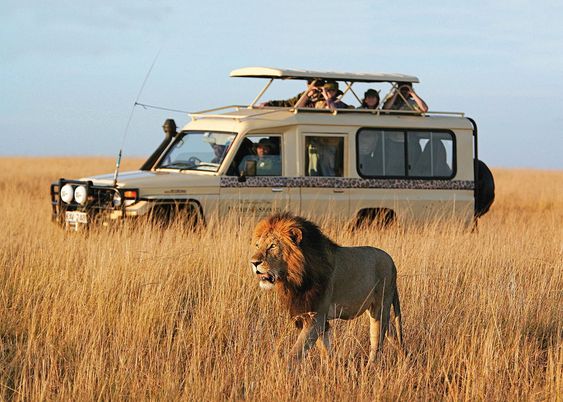
Independent travellers should plan their routes carefully, follow park rules, and use vehicles appropriate for the terrain. The best safari experience depends not only on the season but also on the destination, timing, and quality of the itinerary.
Is Uganda Good for Birdwatching Throughout the Year?
Uganda is internationally recognised for its bird diversity, with more than 1,000 recorded bird species. Its forests, wetlands, lakes, rivers, and savannahs provide habitats for a remarkable variety of resident and migratory birds.
Birdwatching is possible throughout the year, but particular seasons may offer different opportunities.
Rainier months can bring lush vegetation, increased breeding activity for some species, and the presence of migratory birds during their seasonal visits. Wetlands and forest habitats can be especially rewarding for bird enthusiasts.
Travellers should carry binoculars, a camera, a field guide if available, and weather-appropriate clothing.
A well-planned road trip makes it easier to visit several habitats, from wetlands around Entebbe to forests in western Uganda and savannah parks farther north.
What to Pack for Uganda’s Weather
Because temperatures and rainfall vary between destinations, packing should reflect both the season and your planned activities.
Clothing
Consider bringing:
- Lightweight shirts and breathable trousers.
- A waterproof rain jacket.
- A warm fleece or sweater for cool evenings.
- Long-sleeved clothing for forest walks.
- A hat or cap for sun protection.
- Comfortable socks and spare clothing.
Footwear
Pack comfortable walking shoes for towns and general sightseeing. Waterproof hiking boots with good grip are advisable for gorilla trekking, forest walks, and mountain hikes.
Sandals can be useful around accommodation and for relaxing after outdoor activities.
Travel Accessories
Useful items include sunscreen, insect repellent, sunglasses, binoculars, a camera, a power bank, and a reusable water bottle.
Travellers undertaking long road journeys should also carry personal medication, essential travel documents, and a small daypack.
If you are hiring a vehicle for a self-drive safari, check which equipment is included and what you need to bring yourself. Camping equipment, refrigerators, rooftop tents, and navigation accessories are not standard in every rental vehicle.
How Uganda’s Weather Affects Road Travel
Road travel is one of the best ways to experience Uganda’s changing landscapes. Visitors can travel from the lively streets of Kampala to forested highlands, open savannahs, lakeshores, and remote wilderness areas within the same holiday.
However, road conditions can change with the weather.
During dry periods, many routes are easier to navigate, although potholes, loose gravel, steep sections, and uneven tracks can still present challenges.
During rainy periods, unpaved roads may become muddy or slippery. Heavy rainfall can reduce visibility, increase braking distances, and make some rural routes more difficult to use. Journey times may also increase.
For these reasons, choosing the right vehicle is an important part of planning a successful trip.
Why Consider Uganda 4×4 Hire?
A suitable 4×4 vehicle can provide greater ground clearance and traction on challenging roads compared with many ordinary passenger cars. These features can be particularly useful when visiting national parks, rural accommodation, mountainous areas, or destinations reached by rough tracks.
When comparing Uganda 4×4 hire options, consider:
- The route: Identify whether your itinerary includes paved highways, gravel roads, muddy tracks, or steep terrain.
- Vehicle condition: Choose a well-maintained vehicle with appropriate tyres, functioning brakes, and suitable safety equipment.
- Passenger and luggage space: Ensure the vehicle comfortably accommodates everyone and their belongings.
- Travel style: Decide whether you prefer independent self-drive travel or a vehicle with a professional driver.
- Support arrangements: Ask about roadside assistance, emergency contacts, insurance terms, and what to do in the event of a breakdown.
- Additional equipment: Confirm whether camping gear, a rooftop tent, a fridge, or other accessories are available if needed.
A reliable self drive arrangement gives travellers the freedom to manage their own schedules, stop at scenic locations, and explore Uganda at their preferred pace. However, drivers should assess road conditions honestly and avoid attempting routes beyond their experience or the vehicle’s capabilities.
A 4×4 does not eliminate every road risk. Safe driving, proper preparation, and local advice remain essential, particularly after heavy rain.
Choosing the Right Safari Vehicle in Uganda
The ideal vehicle depends on your itinerary, group size, budget, and preferred travel experience.
A compact 4×4 SUV may be suitable for couples or small groups travelling between major destinations. A larger safari vehicle may be more appropriate for families, photographers, or groups carrying additional luggage and camping equipment.
Travellers planning extended self-drive holidays should also consider comfort on long journeys, luggage capacity, fuel requirements, and the availability of mechanical support.
Before booking a safari vehicle in Uganda, ask the provider to explain the vehicle’s specifications, rental conditions, insurance coverage, mileage policy, and roadside assistance arrangements.
It is also sensible to confirm whether the vehicle is suitable for your specific destinations rather than assuming every 4×4 is appropriate for every route.
Planning Your Uganda Trip Around the Weather
The best time to visit Uganda depends on the experiences you want and the destinations you plan to explore.
If your priority is wildlife viewing and easier access to many park tracks, consider travelling during one of the generally drier periods.
If you enjoy birdwatching, lush landscapes, quieter destinations, and flexible itineraries, the rainy seasons may also be rewarding.
Travellers planning gorilla trekking should consider both weather and permit availability, while those visiting remote national parks should pay particular attention to road conditions and journey times.
Before departure, check the forecast for your specific destinations, confirm accommodation and activity bookings, and prepare for possible changes in the weather.
If you are planning to drive yourself, select a vehicle suited to the route and ensure you understand the rental agreement and available support.
Frequently Asked Questions About Uganda’s Weather
Is Uganda hot throughout the year?
Uganda generally enjoys moderate temperatures because of its elevation and geographical diversity. Some lowland and northern areas become hot, while mountain regions can be considerably cooler, particularly at night and at higher elevations.
What is the best month to visit Uganda?
There is no single best month for every traveller. January, February, June, July, and August are often popular for safaris and outdoor activities because many areas experience relatively drier conditions. Other months can be rewarding for birdwatching, photography, and green landscapes.
Does it rain every day during Uganda’s rainy season?
No. Rainfall patterns vary by location and date. Some days may experience short showers, while other periods bring prolonged or heavier rainfall. Check local forecasts rather than relying on the season alone.
Can I visit Uganda during the rainy season?
Yes. Many tourism activities continue throughout the rainy season. Visitors should prepare for wet conditions, allow extra travel time, and check access conditions for remote destinations.
Is a 4×4 necessary for travelling around Uganda?
Not every journey requires a 4×4. Many major highways and urban routes can be travelled in ordinary vehicles. However, a suitable 4×4 is often advisable for national park tracks, remote rural destinations, mountainous routes, and some roads that become difficult after heavy rain.
Is self-drive travel in Uganda a good option?
Self-drive travel can be an excellent option for visitors who value flexibility and independence. Successful planning involves choosing an appropriate vehicle, understanding local traffic conditions, preparing realistic daily distances, and arranging reliable support in case of a breakdown.
What should I wear for a safari in Uganda?
Lightweight clothing, comfortable walking shoes, sun protection, and a waterproof jacket are useful for most safaris. For gorilla trekking and other forest activities, sturdy hiking boots and extra layers are recommended.
Should I book my rental vehicle in advance?
Booking in advance is advisable, particularly during popular travel periods and for itineraries requiring specific vehicles or camping equipment. Early planning also gives you time to discuss road conditions, rental terms, and your intended destinations.
Explore Uganda in Every Season with Uganda 4X4 Rentals
Uganda’s climate makes it possible to enjoy memorable travel experiences throughout the year. From gorilla trekking in Bwindi and chimpanzee tracking in Kibale to wildlife safaris in Queen Elizabeth and Murchison Falls national parks, every season offers something different.
The key is to plan according to your interests, prepare for regional weather differences, and choose transportation that suits your itinerary.
At Uganda 4X4 Rentals, we help travellers explore Uganda with vehicle hire options suited to different routes, group sizes, and travel preferences. Whether you are planning an independent road trip, a camping adventure, or a wildlife safari, choosing the right vehicle can make your journey more comfortable and flexible.
Our vehicle options include 4×4 SUVs and safari vehicles for travellers exploring Uganda’s towns, national parks, and countryside. Depending on your requirements, you can enquire about self-drive and chauffeur-driven arrangements, as well as available camping equipment and other vehicle extras.
If you are searching for Uganda 4×4 hire, a reliable self drive option, or a suitable safari vehicle in Uganda, contact Uganda 4X4 Rentals to discuss your travel plans and find a vehicle that matches your route.
Drive Free, Explore More. Discover Uganda at your own pace, in every season.