
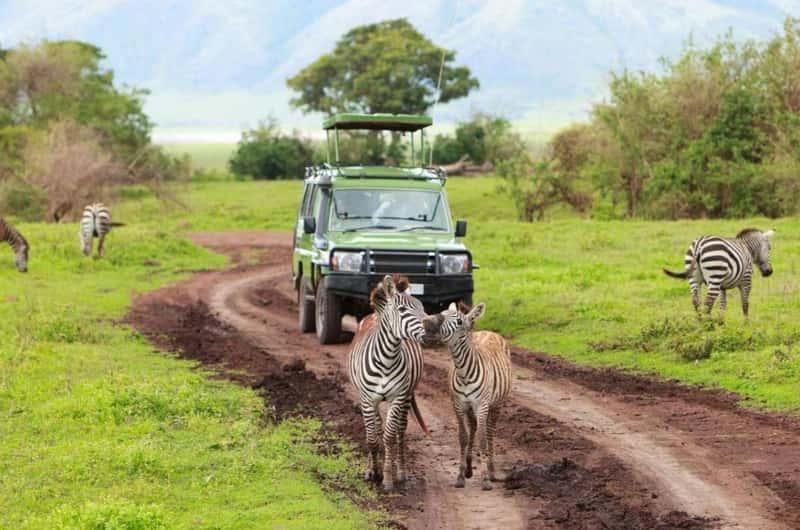
Luxury Safari Vehicles in Uganda
Uganda is often called the Pearl of Africa, and it is easy to see why. Rolling hills, misty mountains, roaring rivers, and some of the richest wildlife on the continent make it a dream destination for travelers who want more than just a holiday. For those who can afford it, luxury safari vehicles promise the ultimate way to experience this beauty — plush leather seats, pop-up roofs for game viewing, cold air conditioning, charging ports, and even Wi-Fi in the middle of the bush.
But behind this polished experience lies a less glamorous reality. Operating luxury safari vehicles in Uganda is not simple. Tour operators who invest in these high-end 4x4s face a long list of practical challenges, many of them tied directly to Uganda’s roads, climate, and logistics. This article breaks down exactly what makes luxury travel Uganda overland such a demanding business, even for the most experienced operators.
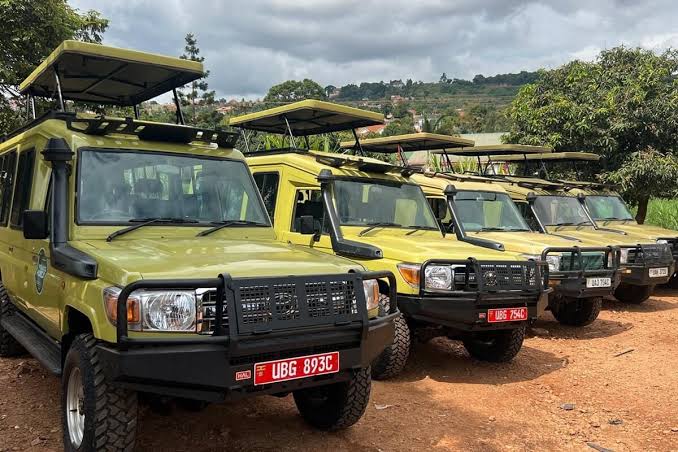
Our fleet of luxury safari vehicles
Why Luxury Travel Uganda Overland Comes at a Price
- The High Cost of Getting Started
Before a single guest steps into the vehicle, operators have already spent a fortune. Popular choices like the Toyota Land Cruiser Extended and the Land Cruiser V8 do not come cheap, and that is before any customization begins.
To meet the expectations of premium travelers, these vehicles are fitted with:
- Pop-up roofs for unobstructed game viewing
- Premium leather seating
- In-car charging ports
- Refrigeration units for drinks and snacks
Each addition pushes the price higher, meaning the investment required to enter the luxury safari business is far beyond what a standard tour vehicle would cost.
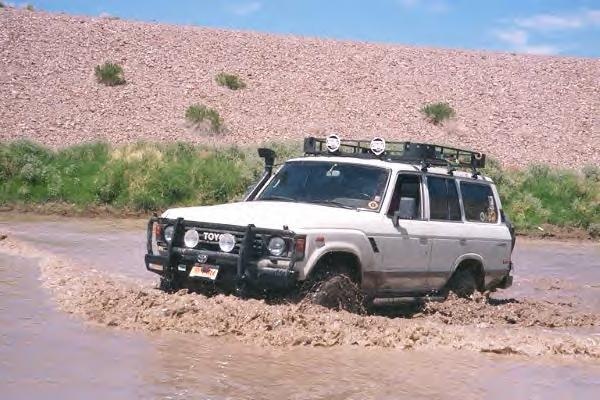
Wading through the waterlogged tracks
- Uganda Road Conditions: The Real Test of Durability
Perhaps the biggest challenge of all comes down to Uganda road conditions. Many of the routes leading to national parks are simply not built for delicate machinery.
- Rough, unpaved tracks dominate the routes to remote parks. During the rainy season, these tracks turn into thick, sucking mud. In the dry season, the same roads become minefields of potholes and loose rocks that jar even the most advanced suspension systems.
- Long transit distances add to the wear. The drive from Entebbe to far-flung destinations like Kidepo Valley or Bwindi Impenetrable Forest can take many hours, and every kilometer on rough terrain slowly damages suspension components, tires, and shock absorbers.
- Steep slopes and uneven terrain, especially around mountainous parks, place extra strain on brakes and undercarriage parts that would rarely be tested this hard on paved city roads.
The result is that even the toughest 4×4 luxury vehicles experience faster-than-normal deterioration, no matter how well they are built.
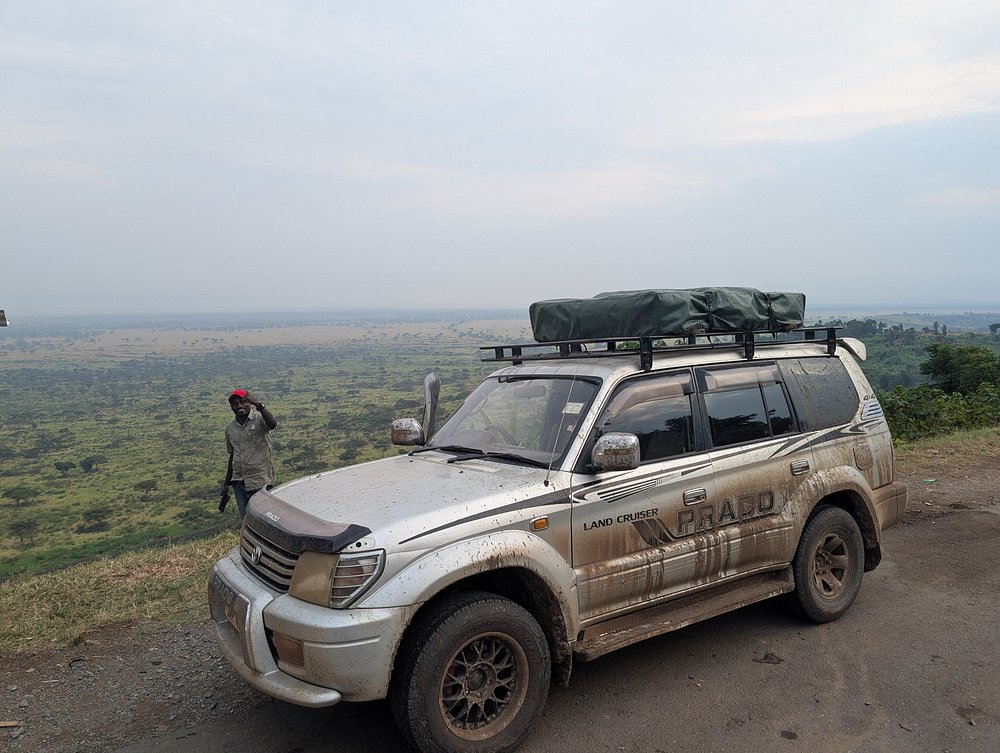
Miles of rugged terrain
- Maintenance: Expensive and Hard to Find
Once wear and tear set in, keeping a luxury safari vehicle on the road becomes its own challenge.
- Scarcity of specialized parts: Many premium, custom-built Land Cruisers rely on imported spare parts. These shipments often face customs delays and high freight costs, leaving vehicles parked for weeks while operators wait for a single component.
- Few specialized technicians: Advanced features like satellite communication systems, high-tech climate control, and custom interiors require expert knowledge. Unfortunately, very few mechanics in Uganda’s remote areas have the training to service this kind of equipment, forcing operators to fly in specialists or transport vehicles long distances for repairs.
- Limited qualified mechanics overall: Even standard maintenance work is harder to source locally when a vehicle is loaded with modern electronics.
- Fuel Consumption and Charging Infrastructure
Luxury safari vehicles are large, heavy, and built for comfort rather than fuel efficiency. This means:
- Significantly higher fuel costs on long-distance trips between parks
- Limited fuel stations in remote areas, forcing careful trip planning
- For hybrid or electric luxury models, an almost complete lack of charging infrastructure outside major towns, making such vehicles impractical for deep bush travel
- Cosmetic Damage Versus Guest Expectations
Clients paying premium rates expect vehicles that look as good as they perform. Unfortunately, dust, mud, and flying debris are unavoidable realities of Uganda’s terrain.
- Custom paint jobs quickly pick up scratches from branches, rocks, and dust storms
- Leather seating stains easily from dust ingress, sweat, and spilled drinks
- Constant cleaning and reconditioning are needed to keep interiors looking premium, adding ongoing costs that never really stop
For perfectionist travelers, even minor cosmetic flaws can affect their overall experience, putting pressure on operators to maintain near-showroom condition despite daily off-road use.
- Skilled Drivers Are Non-Negotiable
Driving a luxury safari vehicle is nothing like driving a normal car. These vehicles are larger, heavier, and mechanically more complex. Navigating muddy tracks, steep mountain routes, and areas with wildlife requires drivers who combine strong technical skill with patience and experience. Untrained drivers risk not only damaging expensive vehicles but also compromising guest safety.
- Insurance and Depreciation
Because luxury safari vehicles are high in value and operate in higher-risk, off-road conditions, insurance premiums are considerably steeper than for standard vehicles. On top of that, continuous exposure to rough terrain accelerates depreciation, meaning these vehicles lose resale value faster than similar models used mainly on paved roads.
- Seasonal Disruptions
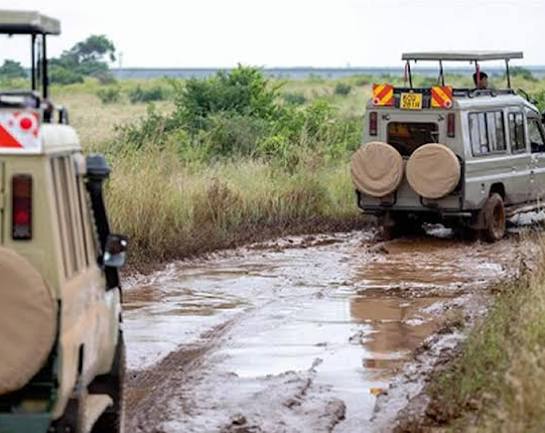
Uganda’s rainy seasons bring their own set of headaches. Roads leading to destinations such as Bwindi, Kidepo, and parts of Queen Elizabeth National Park can become temporarily impassable. This causes delays for guests and increases the risk of accidents or vehicle damage as drivers attempt to navigate flooded or slippery routes.
- Meeting Premium Guest Expectations
Travelers who choose luxury safaris are paying for more than transportation — they expect spotless vehicles, dependable air conditioning, working Wi-Fi, charging ports, refreshments, and impeccable cleanliness throughout the trip. Meeting these standards day after day, especially in remote and dusty environments, requires constant investment and attention to detail.
Conclusion
Despite every challenge outlined above, luxury safari vehicles remain the top choice for high-end tourism in Uganda. Their comfort, safety, and ability to turn a bumpy overland journey into a smooth, memorable adventure make them worth the investment for operators targeting premium international travelers.
Yes, the road conditions are tough, the maintenance is costly, and the logistics are complicated. But for operators who get it right, luxury safari vehicles are more than a mode of transport — they are a core part of delivering the unforgettable experience that draws travelers to Uganda in the first place.